
Experiences Over Things: Making Space for What Truly Matters
Choosing experiences over possessions is not about rejecting things altogether.
Over time, many people notice a quiet shift in what feels meaningful. The things that once seemed important — purchases, collections, keeping everything “just in case” — begin to lose their urgency. What often replaces them is a deeper appreciation for experiences, relationships, and time. This shift tends to unfold gradually, especially during life transitions, when priorities naturally begin to change.
The things that once seemed important begin to lose their urgency.
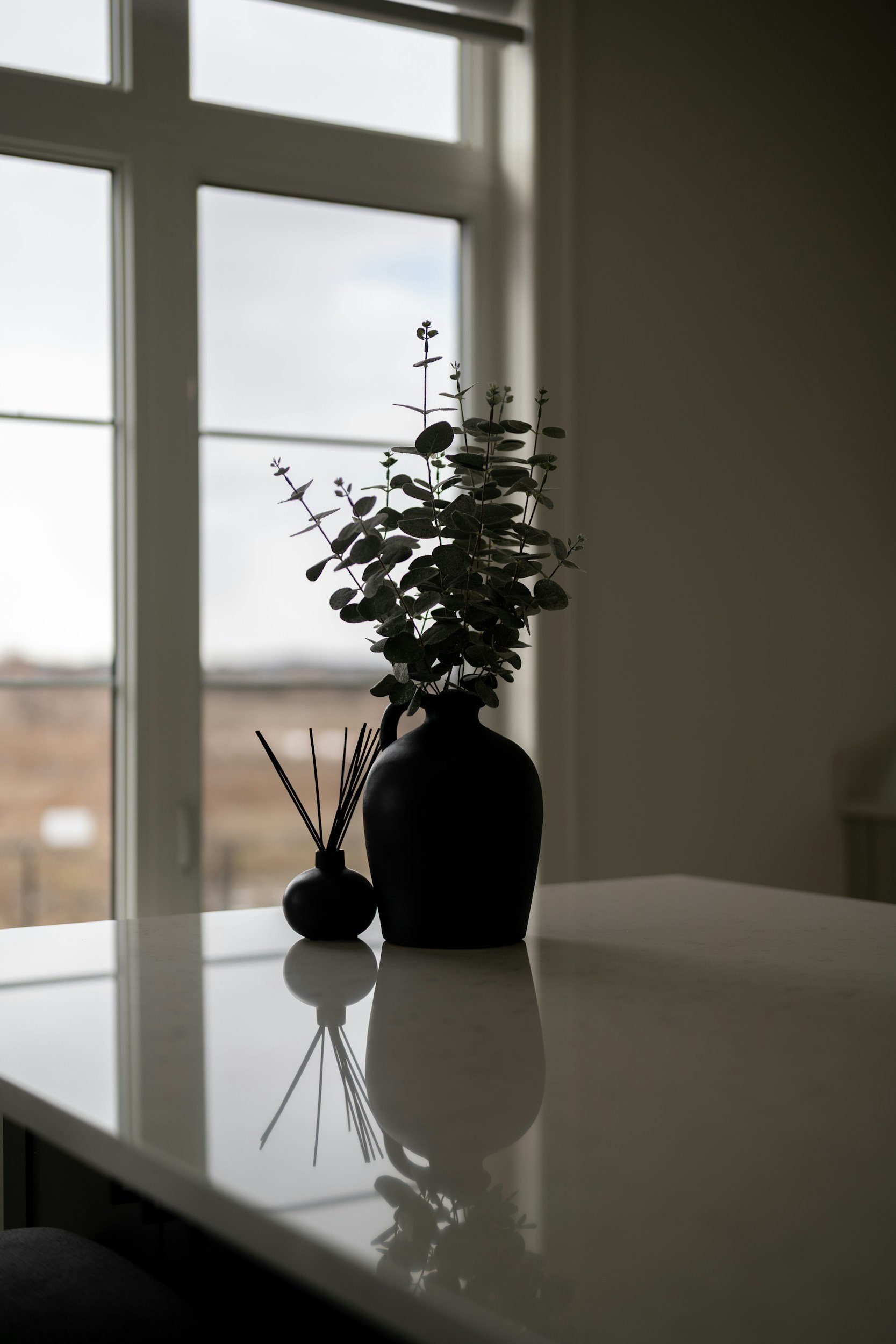
Belongings have a way of shaping our daily lives more than we realize. They require care, attention, and decision-making. When they accumulate, they can quietly drain our energy, even when we feel emotionally attached to them. Choosing experiences over possessions is not about rejecting things altogether. Instead, it invites us to consider what truly nourishes us and supports the life we want to live now.
When people reflect on their most meaningful memories, they rarely talk about objects. They remember conversations, shared meals, travel, laughter, and moments of connection. These experiences stay with us long after physical items lose their relevance. Recognizing this often helps people begin to shift their relationship with their belongings in a more natural, less forced way.
What often replaces them is a deeper appreciation for experiences, relationships, and time.
During transitions such as retirement, downsizing, or caregiving, many people begin asking different questions about what they own. Instead of asking whether something might be useful someday, they start asking whether it supports their life today. This shift often leads to more thoughtful decisions and a growing sense of lightness.
Focusing on experiences also changes how we move through our homes. When there is less to manage, there is more room for presence. Conversations feel less rushed. Evenings feel calmer. Spaces begin to feel more open and supportive rather than demanding attention.
This change does not happen overnight. It unfolds through small, thoughtful decisions made over time. Each item released creates a little more space for what matters most. Over time, many people discover that they feel fuller — not emptier — when they live with less.
What often replaces them is a deeper appreciation for experiences, relationships, and time.
Choosing experiences over things ultimately becomes less about decluttering and more about alignment. It allows us to shape our homes and our time around what genuinely supports our well-being and connection to others.