
The Meaning of Home: A Place Where We Flourish
Home is often described as a place, but in my experience, it is first a relationship.
It is the relationship we have with our environment, with our routines, and with ourselves inside the walls where daily life unfolds. When that relationship feels supportive, home becomes a place where we can rest, think clearly, and move through life with greater steadiness. When it feels strained or unsettled, the discomfort often shows up long before we fully understand why.
Many people come to this work believing their home needs to be fixed — decluttered, rearranged, or simplified. And while practical changes are often part of the process, lasting change rarely begins with the physical space. It begins with noticing how we relate to that space and what it represents in our lives.
Home becomes a place where we can rest, think clearly, and move through life with greater steadiness.
During transitions especially, our homes often reflect shifts happening internally. A space may begin to feel too full after children leave home, too quiet after a separation, or too heavy during periods of caregiving or uncertainty. These experiences are not simply logistical challenges. They often signal a deeper change in identity, rhythm, or emotional energy.
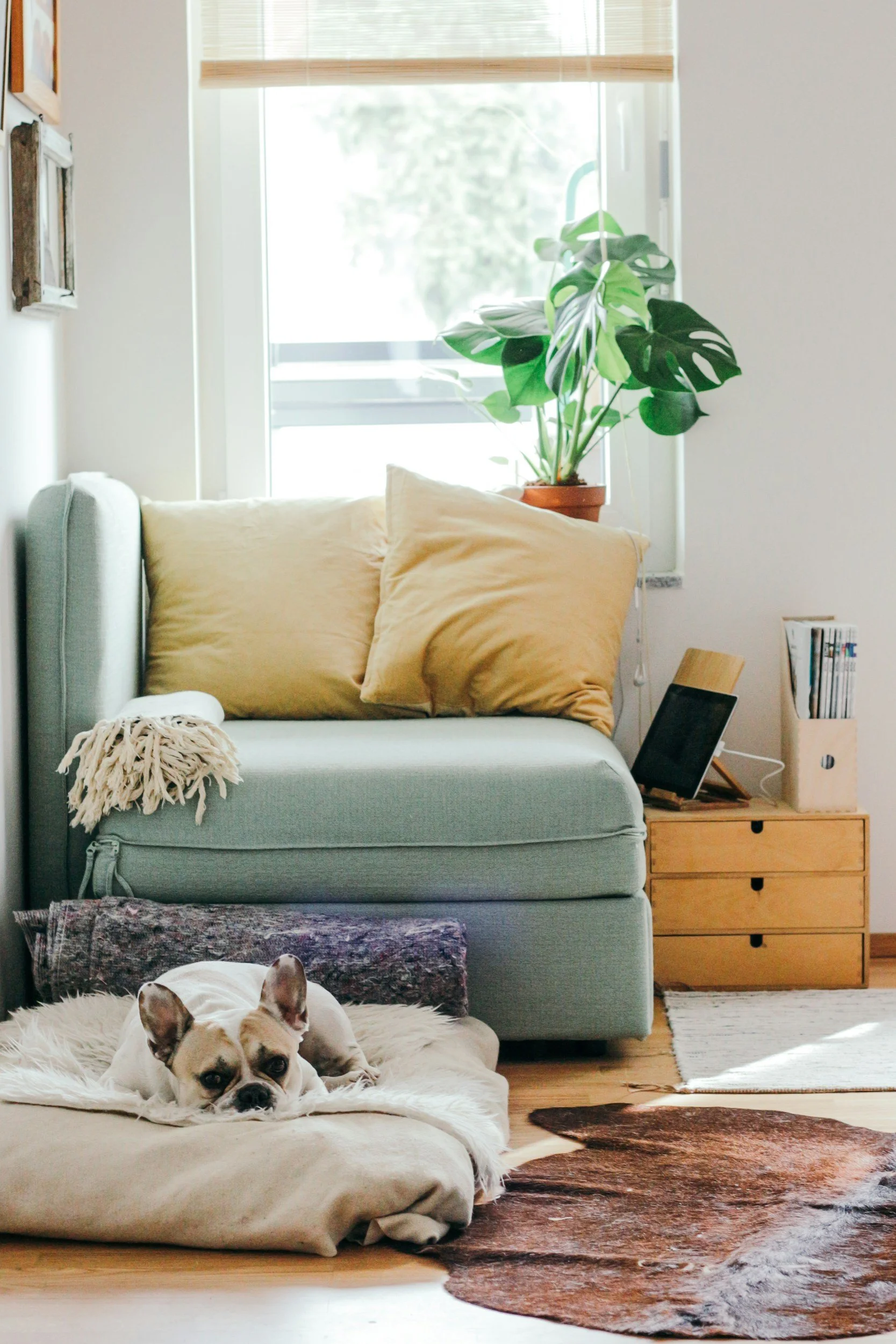
For this reason, I believe a flourishing home begins with awareness rather than action. It starts with questions that invite reflection: How does my home feel to me now? What feels supportive, and what feels draining? What parts of my space reflect who I am today — and what parts belong to another chapter?
A flourishing home begins with awareness rather than action.
When we begin from this place of reflection, decisions about our environment become clearer and more meaningful. We are no longer organizing for appearance or efficiency alone. Instead, we begin shaping our homes around what truly supports our well-being.
The way we care for ourselves is closely connected to the way we care for our homes. When we are stretched thin or navigating change, our spaces often mirror that experience. This is not a failure; it is a natural response to being human in demanding seasons of life. But when we begin tending to ourselves with more intention — resting, setting boundaries, paying attention to what matters — our environments often begin to shift as well.
Home is not something we perfect. It is something we continually reshape as we grow and change.
A home where we flourish does not follow a single formula. For some, it means fewer possessions and more openness. For others, it means warmth, familiarity, and layers of meaning. What matters most is whether the space supports the life being lived inside it now.
Ultimately, home is not something we perfect. It is something we continually reshape as we grow and change. When we begin with an internal shift — changing how we see our belongings, our space, and ourselves — the external changes tend to follow naturally and last more deeply.